
The Castor Oil Plant, known for its medicinal properties, harbors a dark secret – a potent toxin that can have serious implications on human health. Understanding the toxicity of this plant is crucial, as its components can lead to severe symptoms upon ingestion.
But what exactly makes this plant poisonous to humans, and how can one safeguard against its potential dangers? Let's explore the intricacies of Castor Oil Plant toxicity and its implications on human health in order to shed light on this important topic.
Key Takeaways
- Ricin in castor oil plant seeds makes them highly toxic to humans.
- Ingestion can lead to severe gastrointestinal, neurological, and organ-related symptoms.
- Children are especially vulnerable; proper storage and education are crucial.
- Safety precautions, prompt medical attention, and prevention strategies are essential to avoid poisoning.
Toxic Components of Castor Oil Plant
The Castor oil plant, scientifically known as Ricinus communis, contains a toxic component known as ricin, a potent toxin that can be harmful to humans if ingested. Ricin is a naturally occurring protein that is present in the seeds of the plant. While the oil extracted from the seeds is used for various purposes, including medicinal and industrial applications, the seeds themselves are highly toxic due to the presence of ricin.



Plant toxicity is a significant concern when it comes to the Castor oil plant. Ingesting even a small amount of the seeds can lead to severe poisoning. Ricin works by inhibiting protein synthesis in cells, leading to cell death and tissue damage. In humans, symptoms of ricin poisoning can manifest rapidly after ingestion. Due to the potential dangers associated with human ingestion of the Castor oil plant seeds, it is crucial to handle them with care and keep them out of reach of children and pets.
Symptoms of Castor Oil Plant Ingestion
Symptoms of ingestion of the Castor oil plant seeds typically include gastrointestinal distress, neurological effects, and potential multi-organ failure. Gastrointestinal distress may manifest as nausea, vomiting, abdominal pain, and diarrhea. Neurological effects can include symptoms such as confusion, dizziness, and seizures. In severe cases, ingestion of the seeds can lead to multi-organ failure, which may result in cardiovascular collapse, respiratory distress, and renal failure.
Emergency response to Castor oil plant ingestion involves contacting poison control immediately. If someone is suspected of ingesting the seeds, it is crucial to seek medical evaluation promptly. Healthcare professionals will assess the individual's symptoms, perform necessary tests, and provide appropriate treatment. In cases of severe poisoning, supportive care in a hospital setting may be required.
Medical evaluation aims to monitor the patient's vital signs, manage symptoms, and prevent complications associated with Castor oil plant toxicity. Immediate intervention is vital in mitigating the potential risks posed by Castor oil plant ingestion.
Effects on Human Health
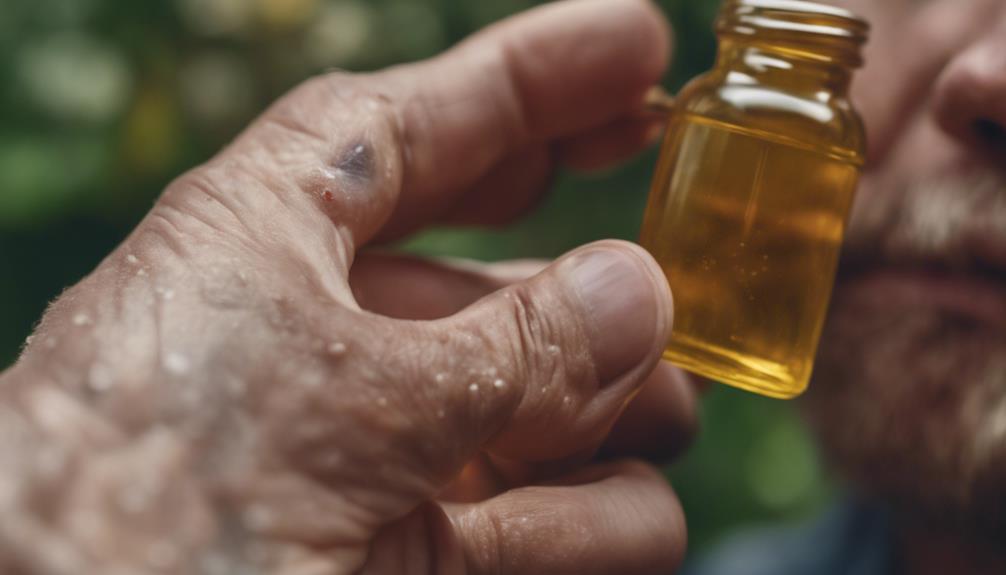
Exposure to the toxic components of the Castor oil plant can have profound implications for human health, impacting various physiological systems and potentially leading to severe consequences. The plant's seeds contain ricin, a highly toxic protein that can cause harm if ingested, inhaled, or absorbed through the skin.
The effects on human health include:
- Gastrointestinal Distress: Consumption of the seeds or plant parts can lead to symptoms such as nausea, vomiting, abdominal pain, and diarrhea.
- Organ Damage: Ricin can cause damage to the kidneys, liver, and other vital organs, potentially resulting in organ failure.
- Neurological Effects: In severe cases of poisoning, individuals may experience seizures, hallucinations, and a decreased level of consciousness.
While the Castor oil plant is known for its health benefits and alternative uses, it is crucial to handle it with caution due to its toxic nature. Proper education on the risks associated with this plant is essential to prevent accidental poisoning and ensure the safety of individuals.
Treatment for Poisoning
In cases of poisoning due to exposure to the toxic components of the Castor oil plant, what are the effective treatment strategies to mitigate the potential health risks and complications?
In instances of Castor oil plant poisoning, prompt and appropriate actions are crucial. The initial step involves administering first aid by washing the affected skin thoroughly with soap and water to remove any plant residue. If ingested, it is important to seek emergency care immediately. In the case of eye exposure, flushing the eyes with water for at least 15 minutes is recommended.
Activated charcoal may be administered in cases of ingestion to help absorb the toxins. Medical professionals may also provide supportive care such as intravenous fluids to maintain hydration and electrolyte balance. Monitoring for potential complications such as dehydration, organ damage, or respiratory issues is essential.
It is imperative to seek medical attention promptly in cases of Castor oil plant poisoning to ensure appropriate management and reduce the risk of severe health consequences.
Risks to Children

Children are particularly vulnerable to the toxic effects of castor oil plants if ingested, as it contains ricin, a potent toxin. Safety precautions such as keeping the plants out of reach of children and educating them about the dangers of ingesting any part of the plant are crucial.
Immediate medical attention should be sought if ingestion occurs, as symptoms can be severe and potentially life-threatening in children.
Child Ingestion Risks
The potential hazard posed by the ingestion of castor oil plant seeds by young individuals merits thorough examination due to its toxic properties.
- Children are at a higher risk due to their curious nature and tendency to explore.
- Prevention methods such as keeping castor plants out of reach and educating children on the dangers.
- Immediate emergency response is crucial if ingestion occurs, including contacting poison control or seeking medical help promptly.
Childproofing measures and healthcare guidance play a vital role in minimizing the risks associated with castor oil plant ingestion by children. Parents and caregivers should be vigilant in implementing safety measures to prevent accidental ingestion, and knowing the appropriate steps to take in case of an emergency is paramount to ensuring the well-being of children.
Safety Precautions for Kids
Considering the potential risks associated with the ingestion of castor oil plant seeds, implementing stringent safety precautions tailored to children is imperative in safeguarding their well-being. Child supervision is crucial to prevent accidental ingestion of the seeds, as children may be attracted to the plant due to its appearance.
Educating parents and caregivers about the toxicity of the plant, especially its seeds, is essential in raising awareness about the dangers it poses to children. It is vital to store castor oil plants out of reach of children and ensure that they are unable to access the seeds.
Safety Precautions at Home
Implementing safe handling practices, such as wearing gloves when dealing with castor oil plants, is crucial to prevent accidental exposure to their toxic components.
Proper storage guidelines at home, like keeping the plants out of reach of children and pets, can further reduce the risk of poisoning incidents.
Understanding the potential health risks associated with castor oil plants is essential for taking necessary precautions to ensure household safety.
Safe Handling Practices
When handling Castor Oil plants at home, it is essential to adhere to strict safety precautions to avoid potential risks associated with their toxic nature. To ensure safe handling, consider the following measures:
- Proper disposal methods: Dispose of any plant parts, especially seeds, carefully and responsibly to prevent accidental ingestion or contact.
- Protective clothing requirements: Wear gloves, long sleeves, and eye protection when working with Castor Oil plants to minimize skin exposure to toxic substances.
- Avoid contact with eyes and mouth: In case of accidental contact, rinse the affected area thoroughly with water and seek medical attention if symptoms persist.
Storage Guidelines at Home
Effective storage of Castor Oil plants at home requires meticulous attention to safety precautions to prevent accidental exposure to their toxic components. Proper storage is essential to ensure the safety of household members, especially children and pets.
Keep Castor Oil plants in secure containers or areas that are inaccessible to curious hands or animals. Store them away from food items to prevent contamination. It is advisable to label containers clearly with warnings about the plant's toxicity.
Additionally, ensure good ventilation in the storage area to prevent the accumulation of toxic fumes. Following these home safety guidelines will help minimize the risk of accidental ingestion or contact with the harmful substances present in Castor Oil plants.
Potential Health Risks
While being aware of the potential health risks associated with Castor Oil plants, it is crucial to prioritize safety precautions at home to mitigate any accidental exposure to their toxic components.
- Prevention methods:
- Keep Castor Oil plants out of reach of children and pets.
- Wear gloves and protective clothing when handling the plant.
- Wash hands thoroughly after touching any part of the plant.
These actions are essential due to the severe health effects that can result from exposure to the plant's toxins, including nausea, vomiting, abdominal pain, and in severe cases, organ damage. Understanding the risk factors and being prepared with the knowledge of appropriate medical treatment is crucial in case of accidental ingestion or contact.
Conclusion and Recommendations
In light of the research findings and potential risks associated with the consumption or exposure to Castor Oil plants, it is imperative to carefully consider safety measures and precautions. Conducting a thorough risk assessment and implementing effective prevention methods are crucial in minimizing the likelihood of adverse effects from Castor Oil plant exposure. Here are some recommendations:
| Safety Measure | Description | Importance |
|---|---|---|
| Wear protective gear | Gloves, masks, and long sleeves when handling | Minimize exposure |
| Keep out of reach | Store plants out of reach of children and pets | Prevent ingestion |
| Educate on dangers | Inform individuals about risks and symptoms | Prompt action |
| Seek medical help | In case of ingestion, seek medical attention | Quick treatment |
These recommendations aim to reduce the chances of accidental ingestion or exposure to the toxic components of Castor Oil plants, thereby safeguarding human health and well-being. By following these safety measures and staying informed about the potential risks, individuals can better protect themselves and their loved ones from the dangers associated with Castor Oil plants.
Frequently Asked Questions
Can the Toxic Components of the Castor Oil Plant Be Used for Any Beneficial Purposes in Humans?
The toxic components of the castor oil plant, when carefully processed and purified, can potentially offer therapeutic benefits for human consumption. Research into harnessing these compounds for medicinal use is ongoing, aiming to maximize their positive effects while minimizing risks.
Are There Any Long-Term Effects on Human Health From Ingesting the Castor Oil Plant?
Long-term effects of ingesting the castor oil plant on human health can include severe toxicity due to ricin, a potent toxin found in the plant. Symptoms may range from gastrointestinal distress to organ failure.
Can Pets Also Be Affected by the Toxic Components of the Castor Oil Plant?
Pet safety is crucial when considering the toxic components of the castor oil plant. Symptoms in pets may include vomiting, diarrhea, and lethargy. Treatment involves prompt veterinary care for decontamination and supportive therapy, with prognosis varying based on the amount ingested.
Are There Any Alternative Treatments for Castor Oil Plant Poisoning Besides the Ones Mentioned in the Article?
When exploring alternative treatments for castor oil plant poisoning, one can consider herbal remedies, detoxification methods, homeopathic treatments, and natural antidotes. These approaches may offer complementary options to conventional treatments, enhancing the overall management of poisonings.
How Common Are Incidents of Castor Oil Plant Poisoning in Children?
Incidents of castor oil plant poisoning in children are relatively uncommon but can lead to severe complications. Prevention methods include educating on plant identification and keeping plants out of reach. Treatment options involve supportive care and monitoring for potential systemic effects.
Conclusion
In the realm of potential hazards lurking in our midst, the castor oil plant stands as a formidable threat. Its toxic components can wreak havoc on the human body, causing a range of severe symptoms. Vigilance and caution are paramount when handling this plant, especially in households with children.
By adhering to strict safety measures and promptly seeking medical attention in case of ingestion, one can navigate the treacherous waters of castor oil plant poisoning unscathed.