
When considering the addition of castor oil to bath water, determining the appropriate amount is crucial for reaping its potential benefits. The correct dosage can impact the effectiveness of the oil's properties without causing adverse effects.
Various factors come into play when deciding on the quantity to use, such as individual skin type and desired outcomes. By understanding the recommended guidelines and taking necessary precautions, one can optimize the advantages of incorporating castor oil into their bathing routine.
However, striking the right balance is key, and finding the sweet spot may require a bit of experimentation.



Key Takeaways
- Start with 1 to 2 tablespoons of castor oil per bath for optimal benefits.
- Adjust the amount based on skin sensitivity and personal preference.
- Dilute castor oil properly in warm water to avoid skin irritation.
- Consider alternatives like carrier oils or essential oils based on skin type and needs.
Benefits of Using Castor Oil in Bath
Utilizing castor oil in bath water can provide a range of therapeutic benefits for the skin and overall well-being. When it comes to hair benefits, castor oil is known for its ability to moisturize and condition the scalp, promoting healthy hair growth and preventing issues like dandruff. The oil's nourishing properties can also help strengthen hair follicles, reducing breakage and split ends. Additionally, massaging castor oil into the scalp during a bath can improve blood circulation, further supporting hair health.
In terms of relaxation benefits, adding castor oil to bath water can create a calming and soothing experience. The oil's unique composition, rich in fatty acids and antioxidants, can hydrate the skin, leaving it feeling soft and supple. The gentle aroma of castor oil can also help alleviate stress and tension, promoting relaxation and a sense of well-being during bath time. Overall, incorporating castor oil into your bath routine can offer both physical and mental benefits, making it a valuable addition to your self-care regimen.
Factors to Consider When Adding Castor Oil
When adding castor oil to bath water, it is essential to consider proper dilution ratios to avoid skin irritation and ensure effectiveness. Factors such as skin sensitivity should also be taken into account before adding castor oil to your bath.
Proper Dilution Ratios
To achieve the desired therapeutic benefits and avoid skin irritation, it is essential to carefully calculate the appropriate dilution ratios when incorporating castor oil into bath water.
When determining the dilution ratio for castor oil in bath water, consider the following:
- Oil Concentration: Be aware of the oil concentration in the castor oil you are using to ensure it is suitable for dilution.
- Skin Hydration: Balance the amount of castor oil added to prevent skin dehydration while still reaping the benefits.
- Aromatherapy Benefits: Diluting properly can enhance the aromatherapy benefits of castor oil during the bath.
- Therapeutic Effects: Dilution ratios impact the therapeutic effects experienced, so measure carefully for optimal results.
Skin Sensitivity Considerations
Considering the varying degrees of skin sensitivity, it is crucial to assess individual tolerance levels before adding castor oil to bath water for optimal results. Skin care experts recommend conducting a patch test prior to using castor oil in bath water, especially for individuals with sensitive skin. This involves applying a small amount of diluted castor oil to a small area of skin and monitoring for any adverse reactions over 24 hours. Sensitivity levels can differ from person to person, so it is essential to observe any signs of irritation, redness, or itching.
Adjust the concentration of castor oil based on the skin's response to ensure a comfortable and beneficial experience. Prioritizing skin sensitivity considerations in your skincare routine can lead to healthier and happier skin.
Recommended Amount of Castor Oil

The ideal amount of castor oil to add to bath water is typically recommended to be around 1 to 2 tablespoons per bath. Castor oil dosage and absorption are important considerations when using it in bath water.
The skin benefits of castor oil are well-known, making it a popular choice for skincare routines. Here are some key points to keep in mind when determining the amount of castor oil to use in your bath:
- Start with a lower amount: If you are new to using castor oil in your bath, begin with a smaller quantity, such as 1 tablespoon, and assess how your skin responds before increasing the dosage.
- Consider skin sensitivity: Individuals with sensitive skin may benefit from using a lower amount of castor oil initially to avoid any adverse reactions.
- Adjust based on preference: The recommended 1 to 2 tablespoons can be adjusted according to personal preference and the desired intensity of the oil's effects on the skin.
- Consult a dermatologist: If you have specific skin conditions or concerns, consulting a dermatologist for personalized recommendations on castor oil usage is advisable.
Tips for Mixing Castor Oil in Bath Water
When mixing castor oil in bath water, it is important to ensure proper oil dispersion throughout the water to maximize its benefits.
Enhancing oil absorption by gently massaging the oil into the skin can promote better results.
Additionally, taking safety precautions such as avoiding slipping in the oily water is essential for a safe bathing experience.
Proper Oil Dispersion
To ensure proper dispersion of castor oil in bath water, it is essential to follow specific guidelines for achieving optimal blending and effectiveness. When incorporating castor oil into your bath routine, consider the following:
- Oil Dispersion Techniques: Mix the castor oil thoroughly with a carrier oil before adding it to the bath water to ensure even distribution.
- Bath Temperature: Warm water helps the oil to disperse more effectively, aiding in absorption and maximizing benefits.
- Essential Oils: Combining castor oil with essential oils can enhance the overall experience and provide additional therapeutic benefits.
- Bath Additives: Be cautious when adding other bath additives, as they may affect the dispersion and absorption of castor oil.
Enhancing Oil Absorption
For optimal absorption of castor oil in bath water, it is advisable to employ effective mixing techniques that enhance the oil's permeation into the skin. One method to enhance oil absorption is to mix the castor oil with a carrier oil like coconut or olive oil before adding it to the bath water. This helps in better dispersion of the castor oil and aids in its absorption into the skin. Additionally, gently massaging the skin while in the bath can further promote oil application and increase skin hydration. Ensuring the bath water is warm but not too hot can also help in opening up the pores, allowing for better absorption of the oils.
| Mixing Techniques for Oil Absorption | Benefits |
|---|---|
| Mix castor oil with carrier oil | Better dispersion and absorption |
| Gently massage skin in bath | Promotes oil application and skin hydration |
Safety Precautions
Implementing proper safety precautions when mixing castor oil in bath water is essential to ensure a safe and effective bathing experience. When using castor oil in your bath, consider the following precautionary measures and safe application techniques:
- Dilution: Always dilute castor oil with a carrier oil before adding it to your bath water to prevent skin irritation.
- Patch Test: Perform a patch test on a small area of skin to check for any allergic reactions before using castor oil in your bath.
- Water Temperature: Ensure the bath water is at a comfortable temperature to avoid scalding or discomfort when adding castor oil.
- Clean-Up: Thoroughly clean the bathtub after your bath to prevent slips or falls due to the oily residue left behind.
Precautions When Using Castor Oil
When incorporating castor oil into your routine, it is essential to be cautious and aware of potential risks. Allergic reactions are a concern for some individuals when using castor oil. If you have a known allergy to castor oil or any of its components, it is advisable to avoid using it to prevent an allergic reaction. Additionally, skin irritation may occur in some people, especially those with sensitive skin. Before using castor oil in your bath water, perform a patch test by applying a small amount of diluted oil to a small area of skin and monitoring for any adverse reactions for 24 hours.
To minimize the risk of allergic reactions and skin irritation, it is important to use high-quality, pure castor oil without any added ingredients or chemicals. Always follow the recommended dilution guidelines and avoid using excessive amounts of castor oil in your bath water. If you experience any discomfort or adverse effects while using castor oil, discontinue its use immediately and consult a healthcare provider for further guidance.
Alternatives to Castor Oil for Bathing
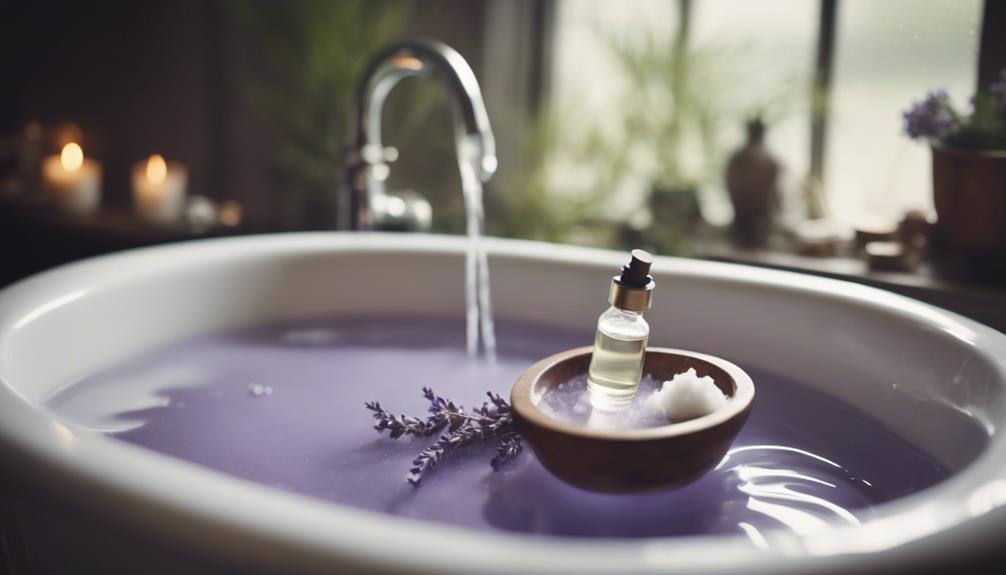
Consider exploring alternative bathing options that offer similar benefits to castor oil without the potential risks associated with its use. When looking for alternatives to castor oil for bathing, you can opt for the following options:
- Epsom salt: Epsom salt, also known as magnesium sulfate, can be added to your bath water to help relax muscles, reduce inflammation, and detoxify the body. It is particularly beneficial for relieving sore muscles and promoting overall relaxation.
- Coconut oil: Coconut oil is a versatile and nourishing option for bath time. It can help moisturize the skin, leaving it feeling soft and hydrated. Coconut oil also has antimicrobial properties that can benefit skin health.
- Olive oil: Olive oil is another excellent alternative to castor oil. It is rich in antioxidants and vitamins, making it great for nourishing and protecting the skin. Adding a few drops of olive oil to your bath water can help improve skin hydration.
- Essential oils: Essential oils like lavender, chamomile, or eucalyptus can be added to bath water for their aromatherapy benefits. These oils can promote relaxation, reduce stress, and enhance the overall bathing experience.
Frequently Asked Questions
Can Castor Oil Be Used in Combination With Other Oils or Bath Products?
When considering oil combinations, benefits, and bath product compatibility, it is essential to research each ingredient's properties to ensure they complement each other. Understanding synergies and potential reactions is crucial for optimal results.
Will Adding Too Much Castor Oil to Bath Water Have Any Negative Effects?
Excessive castor oil in bath water can potentially disrupt the skin's natural balance, leading to irritation or clogged pores. Moderation is key to avoid adverse effects; castor oil's hydrating properties benefit skin and hair when used appropriately.
Is There a Specific Type or Grade of Castor Oil That Is Best for Using in Bath Water?
When considering the use of castor oil in bath water, it is important to note that various grades of castor oil exist, each with specific benefits and drawbacks. Choosing a high-quality, cold-pressed castor oil can enhance skincare and relaxation.
How Long Should One Soak in a Bath With Castor Oil to Reap the Benefits?
The ideal soaking duration in a bath with castor oil to maximize benefits typically ranges from 20-30 minutes. Skin absorption during this time enhances the oil's effectiveness, allowing it to nourish and moisturize the skin more effectively.
Are There Any Specific Conditions or Skin Types That Should Avoid Using Castor Oil in Bath Water?
Individuals with known allergic reactions or sensitivities to castor oil should avoid incorporating it into bath water. While castor oil is moisturizing and exfoliating for many, those with specific conditions like dermatitis may experience adverse effects.
Conclusion
In conclusion, incorporating castor oil in bath water can offer various benefits such as improving skin hydration and reducing inflammation.
It is important to consider factors like skin sensitivity and the recommended amount of oil to use.
By following proper mixing techniques and precautions, individuals can safely enjoy the advantages of castor oil in their bathing routine.
Remember, the path to rejuvenated skin lies in the careful balance of nature's remedies.