
As pet owners, understanding the potential dangers of certain substances is crucial in safeguarding our furry companions' health. When it comes to castor oil, a common remedy for various ailments, the line between therapeutic and toxic doses for dogs can be thin. Factors such as the dog's size, age, and overall health play a significant role in determining the harmful effects of castor oil ingestion.
Stay tuned to unravel the intricacies of castor oil toxicity in dogs and learn how to keep your canine friend safe from potential harm.
Key Takeaways
- Age, weight, and health status affect dogs' vulnerability to castor oil toxicity.
- Symptoms include gastrointestinal distress, dehydration, neurological issues, and cardiac effects.
- Emergency veterinary care is imperative for castor oil poisoning in dogs.
- Consult a vet for safe dosage guidelines and preventive measures to avoid toxicity.
Factors Affecting Castor Oil Toxicity
When considering the factors affecting castor oil toxicity in dogs, it is crucial to understand the various physiological responses that can influence the severity of poisoning. Risk factors play a significant role in determining how a dog may react to ingesting castor oil. Factors such as age, weight, overall health status, and any pre-existing medical conditions can increase the likelihood of toxicity. Younger or smaller dogs may be more susceptible to the effects of castor oil due to their size and developing systems.



Another critical aspect to consider is the absorption rate of castor oil in dogs. The rate at which castor oil is absorbed into the bloodstream can impact how quickly symptoms manifest and how severe they become. Factors such as the formulation of the oil, whether it was ingested on an empty stomach, and individual variations in gastrointestinal transit times can affect absorption rates. Understanding these risk factors and absorption dynamics is essential in assessing the potential toxicity of castor oil in dogs.
Symptoms of Castor Oil Poisoning
Factors such as age, weight, and overall health status can influence how a dog may respond to ingesting castor oil, leading to various symptoms of castor oil poisoning.
- Gastrointestinal Distress: Symptoms may include vomiting, diarrhea, abdominal pain, and drooling.
- Dehydration: Excessive thirst, dry gums, and decreased skin elasticity can indicate dehydration.
- Neurological Signs: These may manifest as tremors, seizures, weakness, or disorientation.
- Cardiac Effects: Elevated heart rate or abnormal heart rhythms could occur due to castor oil toxicity.
When a dog shows signs of castor oil poisoning, immediate veterinary care is crucial. The recovery process typically involves supportive care to address dehydration, electrolyte imbalances, and other symptoms. Long-term effects and prognosis can vary depending on the amount ingested and how quickly treatment was administered. Monitoring for potential complications and ensuring the dog's full recovery are essential in cases of castor oil poisoning.
Treatment for Castor Oil Toxicity
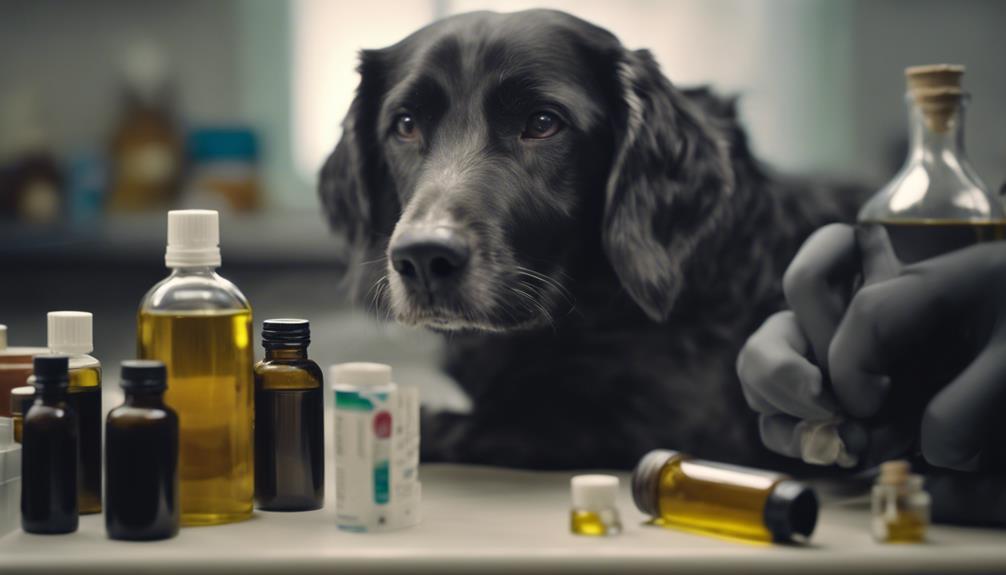
Effective treatment for castor oil toxicity in dogs typically involves prompt veterinary intervention to address the specific symptoms and complications associated with ingestion. When a dog shows signs of castor oil poisoning, it is crucial to seek emergency vet care immediately. Veterinarians may administer treatments such as inducing vomiting or using activated charcoal to limit further absorption of the toxic substance. Supportive care, including intravenous fluids to maintain hydration and electrolyte balance, may be necessary depending on the severity of the poisoning. Additionally, specific medications or interventions may be prescribed based on the individual dog's condition.
To provide a clearer overview, below is a table summarizing the treatment options for castor oil toxicity in dogs:
| Treatment | Description |
|---|---|
| Emergency Vet Care | Immediate professional intervention |
| Inducing Vomiting | To remove the toxic substance from the stomach |
| Activated Charcoal | Helps prevent further absorption of toxins |
Safe Dosage of Castor Oil for Dogs
It is essential to be cautious and mindful of the appropriate dosage of castor oil when considering its use for dogs. Castor oil can offer several potential benefits for dogs when administered correctly. Here are some key points to consider regarding the safe dosage of castor oil for dogs:
- Dosage guidelines: Consult with a veterinarian to determine the correct dosage based on your dog's size, weight, and overall health condition.
- Start with small doses: Begin with a low amount of castor oil and gradually increase the dosage as advised by a professional.
- Monitor for any adverse reactions: Keep a close eye on your dog for any signs of gastrointestinal upset, allergic reactions, or other negative effects.
- Avoid overdosing: Excessive amounts of castor oil can lead to toxicity in dogs, so it is crucial to adhere strictly to the recommended dosage.
Preventing Castor Oil Toxicity

To mitigate the risk of castor oil toxicity in dogs, careful monitoring of dosage and early recognition of symptoms are crucial. It is essential to adhere to recommended dosages and avoid exceeding them to prevent adverse effects.
Implementing dietary restrictions can also help prevent castor oil toxicity in dogs. Avoiding high-fat meals or treats while administering castor oil can reduce the risk of gastrointestinal distress.
Furthermore, considering alternative remedies that are safer for dogs can be a proactive approach to avoid the potential dangers associated with castor oil. Consulting with a veterinarian to explore alternative treatment options tailored to the specific needs of the dog is recommended.
Being vigilant for any signs of toxicity, such as vomiting, diarrhea, weakness, or dehydration, is imperative. Promptly seeking veterinary care if any concerning symptoms arise is essential in preventing severe complications from castor oil ingestion.
Frequently Asked Questions
Can Castor Oil Be Used Safely in Small Amounts for Dogs, Such as for Coat or Skin Care?
Castor oil can offer benefits for dogs in small amounts for coat or skin care. The dosage must be minimal and monitored closely to prevent toxicity. Alternatives like coconut oil may be safer. Precautions include checking for individual sensitivities.
Are Certain Breeds More Sensitive to Castor Oil Toxicity Than Others?
Breed sensitivity to castor oil toxicity varies, with dosage implications playing a critical role. Factors influencing toxicity include metabolic differences and receptor affinity. Risk assessment should consider breed-specific traits and individual variations in response to castor oil exposure for informed decision-making.
Can Other Medications or Supplements Interact With Castor Oil to Increase Toxicity in Dogs?
Drug interactions can potentiate castor oil toxicity in dogs. Certain medications may increase the risk of adverse effects when combined with castor oil. Understanding potential supplement toxicity is crucial to prevent harmful interactions and ensure pet safety.
How Quickly Does Castor Oil Toxicity Manifest in Dogs After Ingestion?
Unraveling the intricacies of castor oil toxicity in dogs reveals a complex symphony of symptoms, each note playing a crucial role in the timeline of manifestation. Treatment orchestrates a delicate balance while case studies offer insights for prevention strategies.
Are There Any Long-Term Effects or Complications From Castor Oil Poisoning in Dogs?
Long-term effects and complications of castor oil poisoning in dogs can include gastrointestinal issues, dehydration, and potential organ damage. Prognosis varies based on the amount ingested. Treatment options involve supportive care and symptom management.
Conclusion
In conclusion, the toxicity of castor oil in dogs is influenced by various factors. Recognizing the symptoms and promptly seeking treatment is crucial in cases of poisoning.
It is important to administer castor oil in safe dosages to prevent toxicity. By being cautious and vigilant, pet owners can ensure the well-being of their dogs and avoid potential harm from castor oil ingestion.
Stay informed and proactive to keep your furry companions safe.