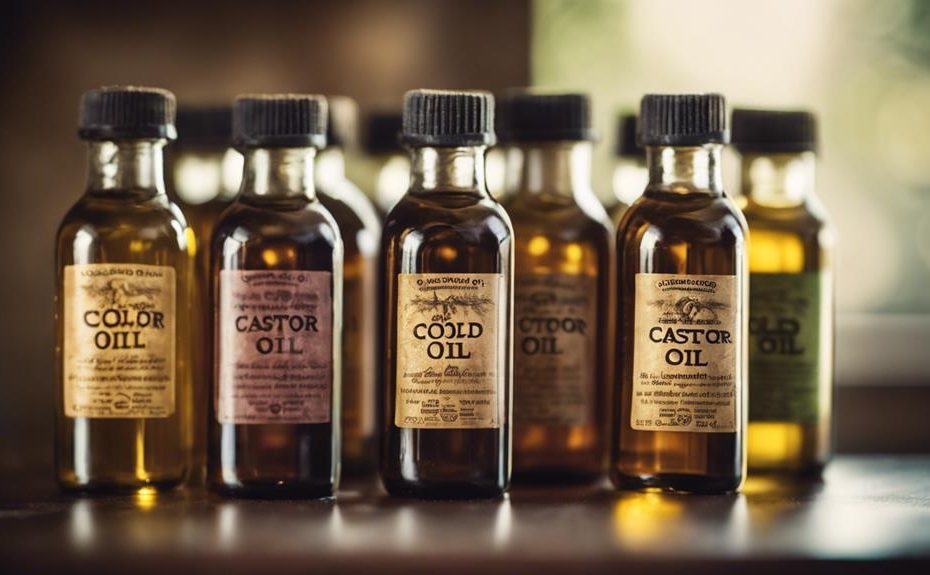
When it comes to selecting the appropriate castor oil for application on the belly button, various factors should be considered to ensure optimal results.
The market offers a range of castor oils, each with its unique properties and potential benefits. Understanding the differences between cold-pressed, organic, and hexane-free options can significantly impact the effectiveness of your treatment.
Stay tuned to discover how these distinctions can influence the outcome of using castor oil on your belly button and which type might be most suitable for your needs.



Key Takeaways
- Choose cold-pressed castor oil for belly button application to retain nutrients.
- Opt for organic castor oil to avoid pesticides and chemicals.
- Ensure the castor oil is labeled for topical use on the belly button.
- Perform a patch test to check for allergic reactions before regular application.
Types of Castor Oil
When considering the types of castor oil available for use in the belly button, it is essential to understand the variations in quality and purity. Two main distinctions to consider are organic versus synthetic and cold-pressed versus expeller-pressed castor oil.
Organic castor oil is derived from organic castor beans that are grown without the use of pesticides or other harmful chemicals. This type of oil is typically considered purer and more natural compared to synthetic alternatives, making it a popular choice for those looking for a more holistic approach to skincare.
In contrast, synthetic castor oil is produced in a lab using artificial ingredients. While synthetic castor oil may be more affordable, it lacks the natural benefits and purity associated with organic castor oil.
Furthermore, the method of extraction also plays a crucial role in the quality of castor oil. Cold-pressed castor oil is extracted by pressing the castor beans without applying heat, while expeller-pressed castor oil is extracted using heat and pressure. Cold-pressed castor oil retains more nutrients and is generally considered higher in quality compared to expeller-pressed varieties.
Benefits of Using Castor Oil
Using castor oil offers a myriad of beneficial properties for skin and hair health. Castor oil is rich in nutrients that can help improve skin health by providing hydration and nourishment. When applied topically, it can penetrate deep into the skin, promoting moisturization and aiding in the treatment of various skin conditions. Additionally, consuming castor oil can have positive effects on digestive health, reducing inflammation and promoting regularity.
Here are four key benefits of using castor oil:
- Skin Health: Castor oil contains fatty acids that help restore the skin's natural moisture balance, leaving it soft and supple.
- Hydration: Its emollient properties make it an excellent choice for hydrating dry skin and preventing moisture loss.
- Digestive Health: Castor oil is commonly used as a natural laxative to relieve constipation and support overall digestive function.
- Inflammation: The anti-inflammatory properties of castor oil can help reduce swelling and pain when applied to inflamed areas.
How to Apply Castor Oil
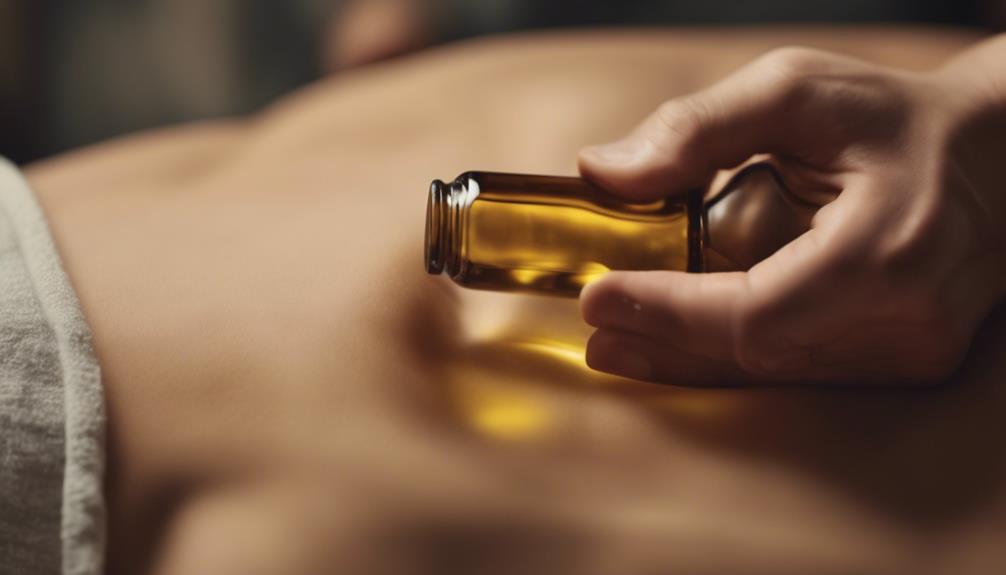
Castor oil can be effectively applied topically for various skin and health benefits, with proper application techniques enhancing its efficacy. When applying castor oil, it is essential to use the right technique and frequency to maximize its benefits. Here are some guidelines for applying castor oil correctly:
| Proper Technique | Frequency of Application | Tips for Success |
|---|---|---|
| 1. Clean the area: Ensure the skin is clean and dry before application. | 2. Frequency: Apply castor oil 1-2 times daily for best results. | – Use gentle circular motions to massage the oil into the skin. |
| 2. Use a carrier oil: Mix castor oil with a carrier oil like coconut or almond oil for easier application. | – It is recommended to apply the oil in the evening before bedtime. | – Cover the area with a warm towel after application to enhance absorption. |
| 3. Apply evenly: Spread the oil evenly over the target area to ensure full coverage. | – Adjust frequency based on skin sensitivity and individual response. | – Consistency is key, so make it a regular part of your skincare routine. |
Choosing the Right Castor Oil
To ensure optimal effectiveness in reaping the benefits of castor oil, selecting the appropriate type of castor oil is crucial. When choosing quality castor oil, consider the following:
- Cold-Pressed Castor Oil: Opt for cold-pressed castor oil as this method helps retain more nutrients and beneficial compounds compared to other extraction processes.
- Organic Castor Oil: Select organic castor oil to ensure it is free from pesticides and harmful chemicals, making it safer for use on the skin.
- Hexane-Free Castor Oil: Choosing a hexane-free castor oil is important as hexane is a solvent used in some extraction processes that can leave residue harmful to health.
- Different Uses: Consider the intended use of the castor oil. If it is for skin applications like the belly button, ensure it is labeled for topical use.
Precautions and Tips
Considering potential allergic reactions, it is advisable to perform a patch test before using castor oil on the belly button or any other skin area. This test involves applying a small amount of diluted castor oil to a small patch of skin, usually on the arm, and monitoring for any adverse reactions like redness, itching, or swelling. Additionally, maintaining proper hygiene is crucial when using castor oil on the belly button. Ensure that the area is clean and dry before application to prevent any infections.
Castor oil is renowned for its healing properties, but it is essential to use it cautiously. While it can promote skin health and alleviate certain conditions, excessive use may lead to skin irritation. Therefore, it is recommended to start with small amounts and gradually increase as needed. If any discomfort or unusual reactions occur, discontinue use immediately and consult a healthcare provider.
Frequently Asked Questions
Can Castor Oil Be Used on a Newborn Baby's Belly Button?
For newborn care, avoid using castor oil on a baby's belly button. Instead, follow healthcare provider recommendations for proper healing. Consult a pediatrician for safe and effective options to promote healing and ensure the newborn's well-being.
Is It Safe to Mix Castor Oil With Other Oils or Essential Oils for Belly Button Application?
Mixing oils for belly button application should be done cautiously. Ensure compatibility of essential oils with castor oil. Safety is paramount; consult a healthcare provider or aromatherapist for guidance on safe and effective combinations.
How Often Should Castor Oil Be Applied to the Belly Button for Optimal Results?
To maximize benefits, consider applying castor oil to the belly button daily. This frequency enhances the healing process and effectiveness of the oil. Consistent application supports absorption, facilitating its potential health-promoting properties for optimal results.
Can Castor Oil Help With Belly Button Infections or Healing After Surgery?
Castor oil's healing properties can aid in addressing belly button infections and promoting post-surgery healing. Its antibacterial and anti-inflammatory benefits make it a natural remedy for these conditions. Consult a healthcare provider for guidance.
Are There Any Specific Brands or Types of Castor Oil That Are Recommended for Belly Button Use?
When considering castor oil benefits, it's crucial to explore its different applications. To maximize its potential, opt for cold-pressed, organic varieties free of additives or hexane. Look for reputable brands known for their purity and quality.
Conclusion
In conclusion, selecting the appropriate castor oil for belly button application is crucial for achieving desired results.
It is essential to consider the types of castor oil available, the benefits it offers, and how to properly apply it.
By following these guidelines and taking necessary precautions, individuals can effectively utilize castor oil for belly button care.
Remember, the right castor oil can be the key to a healthy belly button.