
When it comes to considering the use of castor oil to potentially induce labor, the type of castor oil you choose can significantly impact its effectiveness. The market offers various options, including cold-pressed and regular castor oil, as well as organic and non-organic varieties.
However, determining the best castor oil for this purpose involves more than just selecting a type. Factors such as purity, sourcing, and specific brand reputation play crucial roles in ensuring safety and efficacy during this delicate time.
Understanding these nuances can make all the difference in your decision-making process.



Key Takeaways
- Cold-pressed, organic, and pharmaceutical-grade options are suitable for labor induction.
- Cold-pressed retains more nutrients, making it a potent choice.
- Organic castor oil is safer, sourced sustainably without harmful chemicals.
- Choose reputable brands like Home Health or Heritage Store for effectiveness and safety.
Types of Castor Oil
Castor oil comes in various forms, including cold-pressed, organic, and pharmaceutical-grade varieties, each with its own specific qualities and recommended uses in the context of inducing labor.
Different applications of castor oil include using it topically on the skin to stimulate uterine contractions or ingesting it orally to potentially induce labor. Cold-pressed castor oil is extracted by pressing castor beans without heat, retaining more nutrients and beneficial compounds compared to regular castor oil. Organic castor oil is sourced from organically grown castor beans, free from pesticides and chemicals. Pharmaceutical-grade castor oil is highly purified and meets specific quality standards for medicinal use.
When considering the use of castor oil to induce labor, it is essential to be aware of potential side effects. These may include nausea, diarrhea, dehydration, and abdominal cramping. It is recommended to consult with a healthcare provider before using castor oil for inducing labor to ensure it is safe and appropriate for individual circumstances.
Cold-Pressed Vs. Regular Castor Oil
When comparing cold-pressed and regular castor oil, the extraction process plays a crucial role in determining the quality and effectiveness of the oil for inducing labor. Cold-pressed castor oil is extracted by pressing the castor beans at a controlled temperature, usually below 120°F, without heat extraction. This method helps retain more of the oil's natural properties, nutrients, and beneficial compounds, making it a preferred choice for various applications, including inducing labor. Cold-pressed castor oil is often considered purer and more potent due to the careful processing methods involved, which can enhance its potential benefits.
On the other hand, regular castor oil is typically extracted using heat, which may alter the oil's composition and reduce its efficacy for inducing labor. Heat extraction methods can sometimes lead to the loss of certain beneficial components and may even introduce potential toxins into the oil. Therefore, when choosing castor oil for labor induction, opting for cold-pressed varieties may offer a more natural and potent option compared to regular castor oil.
Organic Vs. Non-Organic Castor Oil
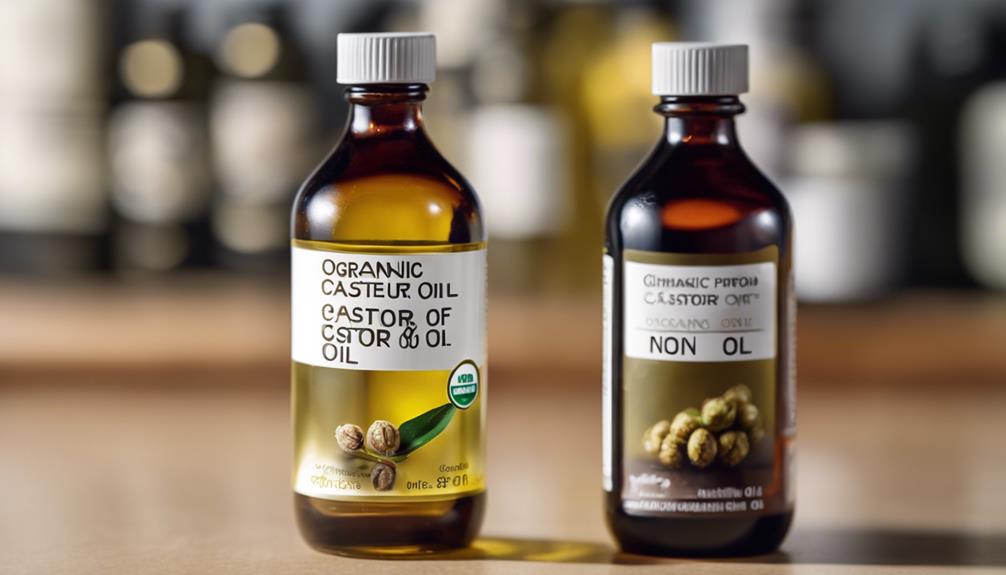
In the realm of natural remedies and labor induction methods, the distinction between organic and non-organic castor oil holds significance. When considering using castor oil to induce labor, understanding the differences between organic and non-organic options is crucial. Here are some key points to consider:
- Organic Benefits: Organic castor oil is derived from castor beans that have been grown without the use of synthetic pesticides or fertilizers. This means that organic castor oil is free from potentially harmful chemicals, making it a safer choice for both the mother and the baby during labor induction.
- Ethical Sourcing: Organic castor oil is often sourced from farms that follow sustainable and environmentally friendly practices. This not only benefits the planet but also ensures that the product is produced ethically, supporting fair labor practices and responsible farming methods.
- Quality Assurance: Organic castor oil is usually subjected to stricter quality control measures to maintain its organic certification. This means that you can trust in the purity and authenticity of the product, providing peace of mind when using it for labor induction purposes.
Best Castor Oil Brand for Labor Induction
For those considering using castor oil for labor induction, evaluating reputable brands known for their quality and effectiveness is essential. When looking for the best castor oil brand for labor induction, it is important to consider factors such as purity, organic certification, and user reviews. Among the brands known for their effectiveness in inducing labor are Home Health, Heritage Store, and Now Solutions.
Castor oil effectiveness in inducing labor is primarily attributed to its active component, ricinoleic acid, which stimulates the bowels and the uterus. However, it is crucial to note that while castor oil can be effective in promoting labor, there are potential risks involved. These risks include dehydration, diarrhea, fetal distress, and meconium staining. Therefore, it is crucial to consult with a healthcare provider before using castor oil for labor induction to ensure it is safe for both the mother and the baby.
When choosing a castor oil brand for labor induction, prioritize quality, purity, and effectiveness while being mindful of the associated risks.
Safety Precautions and Tips

To ensure the safe use of castor oil for labor induction, it is imperative to adhere to recommended safety precautions and guidelines. When considering using castor oil to stimulate labor, it is essential to be aware of potential risks and benefits associated with this natural remedy. Here are some safety precautions and tips to keep in mind:
- Consult with a Healthcare Provider: Before using castor oil or any natural remedies to induce labor, it is crucial to consult with your healthcare provider. They can provide personalized advice based on your medical history and current pregnancy status.
- Dosage and Administration: Follow the recommended dosage provided by your healthcare provider or midwife. It is important not to exceed the suggested amount to minimize the risk of potential side effects.
- Monitor for Labor Risks: Keep track of any unusual symptoms or reactions after taking castor oil. If you experience severe abdominal pain, diarrhea, or other concerning symptoms, seek medical attention promptly.
Frequently Asked Questions
Can Castor Oil Induce Labor if Taken Orally in Small Doses Over a Period of Time?
Oral consumption of castor oil in small doses over time is a debated method for inducing labor. Safety concerns exist due to potential side effects. Evidence on its gradual intake and effectiveness is limited, urging caution and consultation with healthcare providers.
Is There a Specific Time of Day That Is Best for Taking Castor Oil to Induce Labor?
When considering best practices for inducing labor with castor oil, timing of dosage is crucial. Research suggests that taking it in the morning may have better results due to its effects on the digestive system and potential contractions.
What Are Some Alternative Methods to Induce Labor That Can Be Used in Conjunction With Castor Oil?
Acupressure techniques and herbal remedies are alternative methods to induce labor, complementing the potential efficacy of castor oil. Acupressure focuses on specific pressure points, while herbal remedies like raspberry leaf tea can help prepare the body for labor.
Are There Any Potential Side Effects or Risks Associated With Using Castor Oil for Labor Induction?
When considering the potential risks and benefits of using castor oil for labor induction, it is important to acknowledge the long-term effects and concerns associated with its use. Evidence-based guidelines recommend careful consideration and monitoring.
How Soon After Taking Castor Oil Can One Expect to Go Into Labor?
Labor onset after taking castor oil varies widely, typically within 6-24 hours. Stomach discomfort is common due to its laxative effect. Effectiveness in inducing labor is debated, with limited scientific evidence. Duration of labor once initiated also varies.
Conclusion
In conclusion, when considering which castor oil to use for inducing labor, it is important to choose a cold-pressed, organic brand for optimal effectiveness and safety. Brands such as Heritage Store and Sky Organics are recommended for their quality and purity.
Remember to always consult with a healthcare provider before trying any natural remedies to induce labor. Safety should be the top priority when using castor oil for this purpose.