
When considering the safety of consuming castor oil, distinguishing between food-grade and industrial-grade varieties becomes paramount. The disparity in production standards and purity levels between these two types can have significant implications for one's health.
Understanding the potential risks associated with ingesting castor oil, as well as the safety measures to adopt when selecting a suitable option, is crucial.
By exploring the benefits of incorporating castor oil into one's diet and learning how to navigate the nuances of its usage, individuals can make informed decisions about which type of castor oil is indeed safe for consumption.



Key Takeaways
- Food-grade castor oil is safe for consumption due to its lack of toxins.
- Industrial-grade castor oil contains harmful substances like ricin, unfit for ingestion.
- Safety certifications ensure castor oil meets consumption standards.
- Adhering to safe consumption guidelines is paramount for avoiding health risks.
Food-Grade Vs. Industrial-Grade Castor Oil
When considering the safety of consuming castor oil, it is crucial to distinguish between food-grade and industrial-grade varieties due to their differing levels of purity and suitability for ingestion. Food-grade castor oil is specifically processed for consumption and is safe for human consumption when used in appropriate doses. It is rich in fatty acids and has been traditionally used to alleviate constipation, promote hair growth, and moisturize the skin. The health benefits of food-grade castor oil include its potential anti-inflammatory and antimicrobial properties, making it a versatile natural remedy.
On the other hand, industrial-grade castor oil is not safe for consumption due to its high levels of toxins such as ricin. Ricin is a potent poison that can cause severe gastrointestinal issues, organ damage, and even death if ingested. Therefore, it is essential to avoid consuming industrial-grade castor oil as it poses significant toxicity concerns. In summary, while food-grade castor oil offers various health benefits, industrial-grade castor oil presents serious toxicity risks that make it unsuitable for ingestion.
Potential Risks of Consumption
Consuming industrial-grade castor oil can pose serious health risks due to its high levels of toxins, such as ricin, which can lead to severe gastrointestinal issues, organ damage, and even death if ingested. When considering the risks associated with consuming industrial-grade castor oil, it is crucial to take precautions to safeguard one's health. Some potential risks include:
- Toxicity: Industrial-grade castor oil contains high levels of ricin, a potent toxin that can cause poisoning and severe health complications if ingested.
- Gastrointestinal Distress: Consumption of industrial-grade castor oil can result in intense abdominal pain, diarrhea, nausea, and vomiting, leading to dehydration and electrolyte imbalances.
- Organ Damage: Prolonged ingestion of industrial-grade castor oil can damage vital organs such as the liver, kidneys, and digestive system, compromising their normal functions and potentially leading to long-term health issues.
To mitigate these risks, it is essential to only consume food-grade castor oil that is specifically processed for safe ingestion. Taking appropriate precautions and understanding the potential dangers associated with industrial-grade castor oil can help safeguard against adverse health effects.
Safety Tips for Choosing Castor Oil

Ensuring the safety of castor oil for consumption involves adhering to specific guidelines for its safe use, understanding quality certification requirements, and being aware of potential side effects that may arise.
By following safe consumption practices, individuals can minimize the risks associated with ingesting castor oil and make informed choices about the products they use.
Quality certifications can provide assurance of the product's purity and potency, while awareness of potential side effects can help users monitor their health when using castor oil.
Safe Consumption Guidelines
For those considering the ingestion of castor oil, it is essential to prioritize safety by carefully selecting a product that is specifically labeled as safe for oral consumption. When consuming castor oil, follow these guidelines to ensure a safe experience:
- Dosage Recommendations: Always adhere to the recommended dosage provided by healthcare professionals to prevent any adverse effects.
- Alternative Uses: Explore alternative uses of castor oil, such as topical applications, to avoid the risks associated with oral consumption.
- Health Benefits and Potential Interactions: Understand the health benefits of castor oil while being aware of potential interactions with medications or existing health conditions.
Quality Certification Requirements
When selecting castor oil for consumption, it is crucial to prioritize products that meet quality certification requirements to ensure safety and efficacy. Quality standards play a vital role in determining the purity and authenticity of the castor oil being consumed.
Look for certifications from recognized bodies that oversee the production and distribution of food-grade oils. The certification process involves rigorous testing and adherence to specific guidelines set by regulatory authorities. These certifications assure consumers that the castor oil has been produced under controlled conditions, free from contaminants or harmful additives.
Potential Side Effects
Prioritizing consumer safety, it is essential to be aware of potential side effects and safety tips when selecting castor oil for consumption.
When considering castor oil for ingestion, individuals should be cautious of the following:
- Long term effects and dosage concerns: Prolonged use of castor oil or consuming it in excess amounts may lead to gastrointestinal issues such as diarrhea and abdominal cramping. It is crucial to adhere to recommended dosages to avoid such complications.
- Allergic reactions and toxicity concerns: Some individuals may experience allergic reactions like skin rashes or swelling when consuming castor oil. Additionally, the presence of ricin in raw castor beans raises concerns about toxicity if not processed correctly. Ensure you are using a safe, properly processed product to mitigate these risks.
Benefits of Drinking Castor Oil

Ingesting castor oil can provide various health benefits, including promoting digestive regularity and supporting skin health. Castor oil is rich in essential nutrients such as vitamin E, protein, and omega-6 fatty acids, contributing to its nutritional value.
When consumed, castor oil acts as a natural laxative, helping to relieve constipation by stimulating the intestines' smooth muscle contractions and promoting bowel movements. This can be particularly beneficial for individuals struggling with occasional constipation or irregularity.
Additionally, the anti-inflammatory and antimicrobial properties of castor oil may aid in supporting skin health. When ingested, these properties can help reduce inflammation within the body, potentially benefiting skin conditions like acne or dermatitis.
It is essential to note that while castor oil offers potential health advantages, moderation is key, as excessive consumption may lead to adverse effects. Be sure to consult with a healthcare provider before incorporating castor oil into your wellness routine.
How to Use Castor Oil Safely
To ensure the safe and effective use of castor oil, it is important to be mindful of proper dosage and application methods. When using castor oil for its health benefits and detoxification effects, consider the following:
- Dosage Recommendations: It is crucial to follow recommended dosage guidelines to prevent potential side effects such as diarrhea or abdominal cramping. Consult with a healthcare provider to determine the appropriate amount of castor oil for your specific needs.
- Ingestion Methods: Castor oil can be ingested orally, mixed with a beverage or food to mask its strong taste. Alternatively, it can be applied topically to the skin for various skin conditions. Ensure you are using the correct method of ingestion based on your intended outcomes.
- Health Benefits and Detoxification Effects: Proper use of castor oil may support digestive health, promote regular bowel movements, and aid in detoxification processes. However, using it excessively or incorrectly can lead to adverse effects, so always use it as directed.
Quality Indicators for Drinking Castor Oil
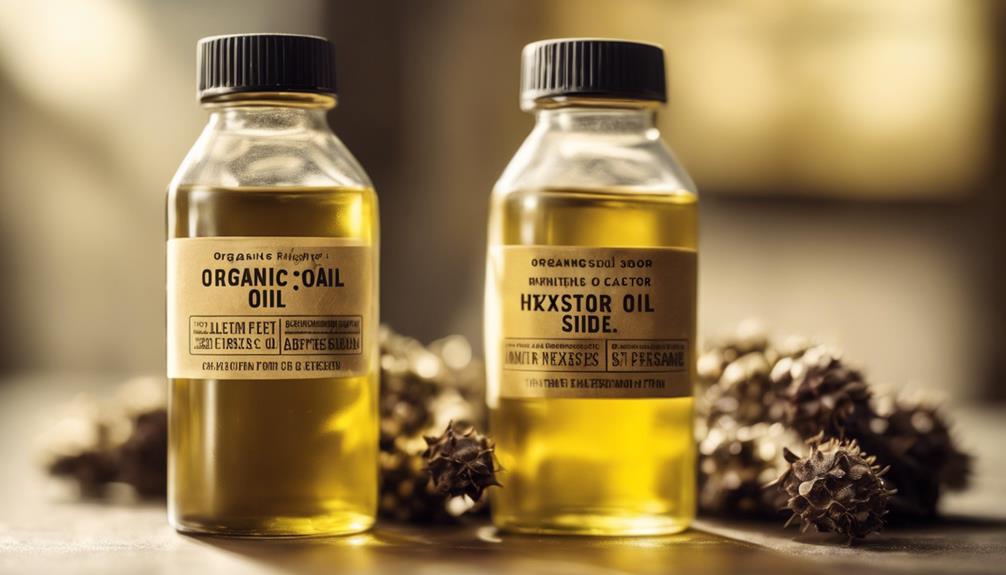
Quality indicators for drinking castor oil include:
- Purity testing to ensure the oil is free from contaminants.
- Safety certification to guarantee that the product meets specific quality standards for consumption.
These indicators are crucial in determining the suitability of castor oil for internal use.
Purity Testing
When considering the safety of consuming castor oil, it is crucial to assess its purity through rigorous testing methods. Ensuring quality assurance is essential, as contamination risks can pose serious health hazards. Here are three key points to consider when evaluating the purity of castor oil:
- Purity Testing Methods: Utilizing advanced techniques such as gas chromatography and mass spectrometry to accurately determine the composition of the oil.
- Regulatory Standards: Adhering to established guidelines set by regulatory bodies like the FDA to guarantee the product meets safety and quality requirements.
- Contamination Risks: Identifying potential sources of contamination during production, such as improper storage or handling, to prevent harmful substances from entering the oil.
Safety Certification
Ensuring the safety of consuming castor oil also involves considering safety certifications and quality indicators tailored specifically for its use as a drinkable product. Safety standards play a crucial role in determining the quality and purity of castor oil intended for ingestion.
Certification processes, such as those provided by recognized regulatory bodies or organizations, can attest to the adherence of manufacturers to stringent safety guidelines. These certifications serve as indicators of a product's compliance with established safety standards, ensuring that the castor oil is safe for consumption.
Frequently Asked Questions
Can Pregnant Women Safely Consume Castor Oil for Its Potential Health Benefits?
Pregnant women must exercise caution when considering castor oil for its purported health benefits. Pregnancy concerns include potential uterine contractions and gastrointestinal side effects. Safety precautions advise consulting a healthcare provider before consumption due to potential risks.
Are There Any Age Restrictions for Consuming Castor Oil for Medicinal Purposes?
When considering children's consumption of castor oil for medicinal purposes, safety precautions are crucial. Similarly, elderly individuals should be cautious due to potential health risks. Consulting healthcare providers to determine suitability based on age and health conditions is recommended.
Is There a Recommended Dosage for Drinking Castor Oil to Avoid Potential Side Effects?
For consuming castor oil, it is crucial to adhere to a recommended dosage to mitigate potential risks and side effects. Following dosage guidelines provided by healthcare professionals or product labels is essential for safe consumption.
Can Castor Oil Interact With Any Medications or Medical Conditions?
Castor oil may interact with medications like blood thinners or induce labor in pregnant individuals. Those with intestinal issues or dehydration should avoid consumption. Always consult a healthcare provider before using castor oil to ensure safety.
Are There Any Specific Brands or Types of Castor Oil That Are Recommended for Internal Use Over Others?
When considering brand recommendations for internal use of castor oil, prioritize quality concerns by opting for organic, cold-pressed varieties. Prioritize safety precautions by consulting a healthcare provider for dosage guidelines to ensure a proper and effective usage.
Conclusion
In conclusion, when it comes to choosing a safe castor oil for consumption, it is important to opt for food-grade over industrial-grade options. By being aware of the potential risks associated with consumption, following safety tips, and understanding the benefits of drinking castor oil, individuals can use it safely.
Quality indicators can also help in determining the suitability of castor oil for consumption. Remember, choosing the right castor oil can lead to a beneficial and safe experience.