
As expectant mothers near their due date, the topic of using castor oil to stimulate labor often arises. However, the decision of which castor oil to choose for this purpose requires careful consideration.
Factors such as cold-pressed versus refined options, organic versus non-organic varieties, and the recommended dosage all play crucial roles in the effectiveness and safety of using castor oil for labor induction. Understanding these distinctions can significantly impact the outcome of this natural method.
Key Takeaways
- Brand choice impacts effectiveness and quality of castor oil for labor induction.
- Cold-pressed oil is often considered purer than refined oil.
- Opting for organic castor oil supports natural properties and sustainability.
- Consult healthcare providers for dosage guidance and safety precautions.
Types of Castor Oil for Labor Induction
When considering types of castor oil for labor induction, it is crucial to understand their varying properties and potential effects on the body. Brand comparison plays a significant role in determining the quality and effectiveness of the castor oil chosen for this purpose. Different brands may offer varying levels of purity and potency, affecting their ability to stimulate labor contractions effectively.



In addition to brand considerations, the application methods of castor oil also play a crucial role in its efficacy for inducing labor. Some common application methods include oral ingestion, topical application to the abdomen or breasts, and mixing with other substances like juice or herbal teas. The method chosen can impact how quickly the castor oil takes effect and the intensity of its effects on the body.
Considering both brand comparison and application methods when selecting castor oil for labor induction can help expectant mothers make informed decisions that align with their preferences and health needs. It is advisable to consult healthcare providers before using castor oil for this purpose to ensure safety and effectiveness.
Cold-Pressed Vs. Refined Castor Oil
Comparing cold-pressed and refined castor oil provides insight into their distinct characteristics and potential benefits for labor induction purposes.
Key Points:
- Purity Comparison: Cold-pressed castor oil is typically considered more pure compared to refined castor oil due to the extraction process. Cold-pressed oil is extracted by pressing the castor beans without heat, whereas refined oil undergoes processing that may involve heat and chemicals, potentially affecting its purity.
- Effectiveness Debate: While both types of castor oil have been used for inducing labor, there is a debate on which is more effective. Some believe that cold-pressed castor oil, retaining more natural compounds, may be more effective for labor induction. Others argue that refined castor oil, with potential impurities removed, could be equally effective or even more so in some cases.
Organic Vs. Non-Organic Castor Oil
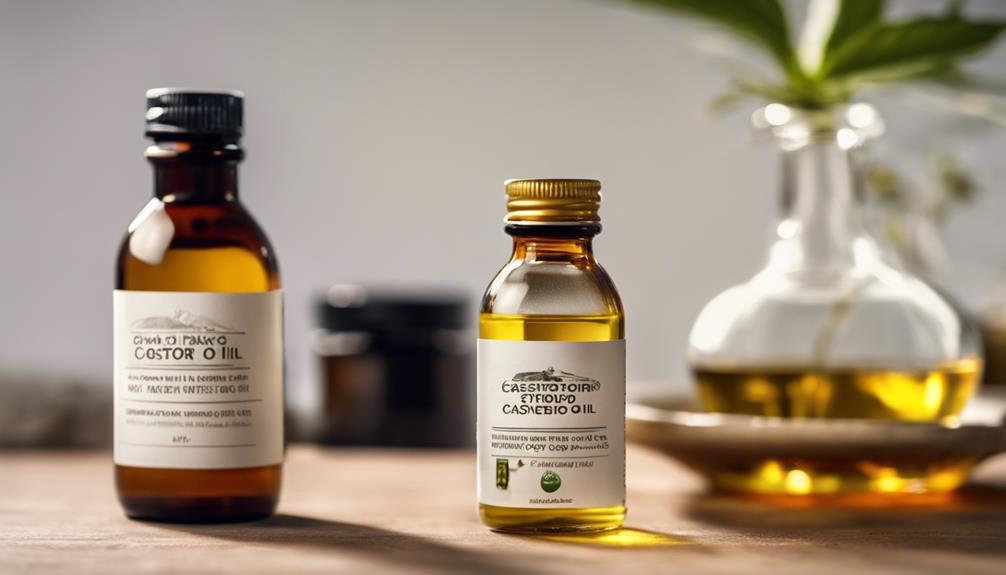
In considering the choice between organic and non-organic castor oil for labor induction, it is important to examine the potential impact of these different types on the process. Organic castor oil is sourced from organically grown castor beans, free from synthetic pesticides and fertilizers. It is believed to retain more of its natural beneficial properties due to the absence of chemical residues. This may result in a higher concentration of beneficial compounds that could potentially aid in inducing labor more effectively. The health benefits of organic castor oil may include better skin hydration, reduced inflammation, and improved overall well-being when used externally or internally.
On the other hand, non-organic castor oil may contain traces of pesticides and other chemicals used in conventional farming practices. The environmental impact of non-organic castor oil production includes potential harm to soil health, water quality, and surrounding ecosystems. Opting for organic castor oil not only prioritizes personal health but also supports sustainable and environmentally friendly agricultural practices.
Recommended Dosage for Labor Induction
The appropriate dosage of castor oil for labor induction should be determined based on individual factors and medical advice. Dosage recommendations should consider factors such as gestational age, overall health, and any pre-existing conditions.
While there is anecdotal evidence supporting the use of castor oil to induce labor, it is essential to highlight the need for more effectiveness studies to establish clear guidelines.
Here are three important points to consider regarding dosage recommendations for using castor oil for labor induction:
- Consult with a Healthcare Provider: Before attempting to use castor oil for labor induction, it is crucial to consult with a healthcare provider. They can provide personalized advice based on your medical history and current pregnancy status.
- Start with a Small Dose: It is generally recommended to start with a small dosage of castor oil and gradually increase if necessary. This approach can help minimize the risk of potential side effects.
- Monitor Effectiveness and Side Effects: Keep track of how your body responds to the castor oil dosage. Monitoring both its effectiveness in inducing labor and any adverse reactions is important for ensuring both the safety and efficacy of the method.
Safety Precautions When Using Castor Oil
When considering the use of castor oil to induce labor, it is important to prioritize safety by being aware of key precautions to follow. While castor oil is sometimes used to stimulate contractions, it is essential to proceed with caution due to potential risks associated with its use. Some safety precautions to keep in mind include:
| Precaution | Description | Importance |
|---|---|---|
| Consult with a healthcare provider | Before using castor oil for labor induction, it is crucial to seek advice from a healthcare professional | Ensures safety for both the mother and the baby |
| Stay hydrated | Drinking plenty of water can help prevent dehydration, which can be a risk when using castor oil | Helps maintain overall well-being during the induction process |
| Monitor fetal movements | Keeping track of fetal movements is vital to ensure the baby is responding well to the induction | Allows for prompt intervention in case of any concerning changes in the baby's status |
It's important to note that there are alternative methods available for inducing labor that may pose fewer risks. Always weigh the potential benefits against the risks and consider consulting with a healthcare provider to make an informed decision.
Frequently Asked Questions
Can Castor Oil Be Used for Labor Induction if I Have a High-Risk Pregnancy?
For high-risk pregnancies, caution is essential when considering labor induction. Safety considerations are paramount, and medical consultation is crucial. Alternative options should be explored under professional guidance to ensure the well-being of both mother and baby.
Are There Any Potential Side Effects of Using Castor Oil for Labor Induction?
When considering the use of castor oil for labor induction, it is crucial to understand the potential risks associated with its consumption. Adhering to recommended dosage guidelines can help mitigate adverse effects and ensure safety.
How Long Does It Typically Take for Castor Oil to Start Working in Inducing Labor?
Timing expectations for castor oil labor induction can vary, typically taking 2-6 hours to show effects. Castor oil stimulates the bowels, potentially leading to contractions. However, its effectiveness and safety for inducing labor remain topics of debate in the medical community.
Can I Mix Castor Oil With Other Ingredients or Beverages to Make It More Palatable?
Like adding a spoonful of sugar to help the medicine go down, mixing castor oil with juice or a smoothie can mask its taste. Experiment with flavors to find a mix that suits your palate.
Are There Any Alternative Methods for Inducing Labor That Are Safer or More Effective Than Using Castor Oil?
Alternative methods for inducing labor include acupuncture therapy and herbal remedies. Acupuncture can stimulate specific points to encourage labor onset. Herbal remedies like black cohosh or raspberry leaf tea may also help. Consult a healthcare provider for guidance.
Conclusion
In conclusion, choosing the correct castor oil for labor induction is crucial. Cold-pressed castor oil is preferred over refined, and organic options are recommended for safety. The dosage should be carefully considered, and safety precautions must be followed to avoid any potential risks.
Remember to consult with a healthcare provider before using castor oil for labor induction to ensure a safe and effective experience. Selecting the suitable castor oil can significantly support successful labor induction.